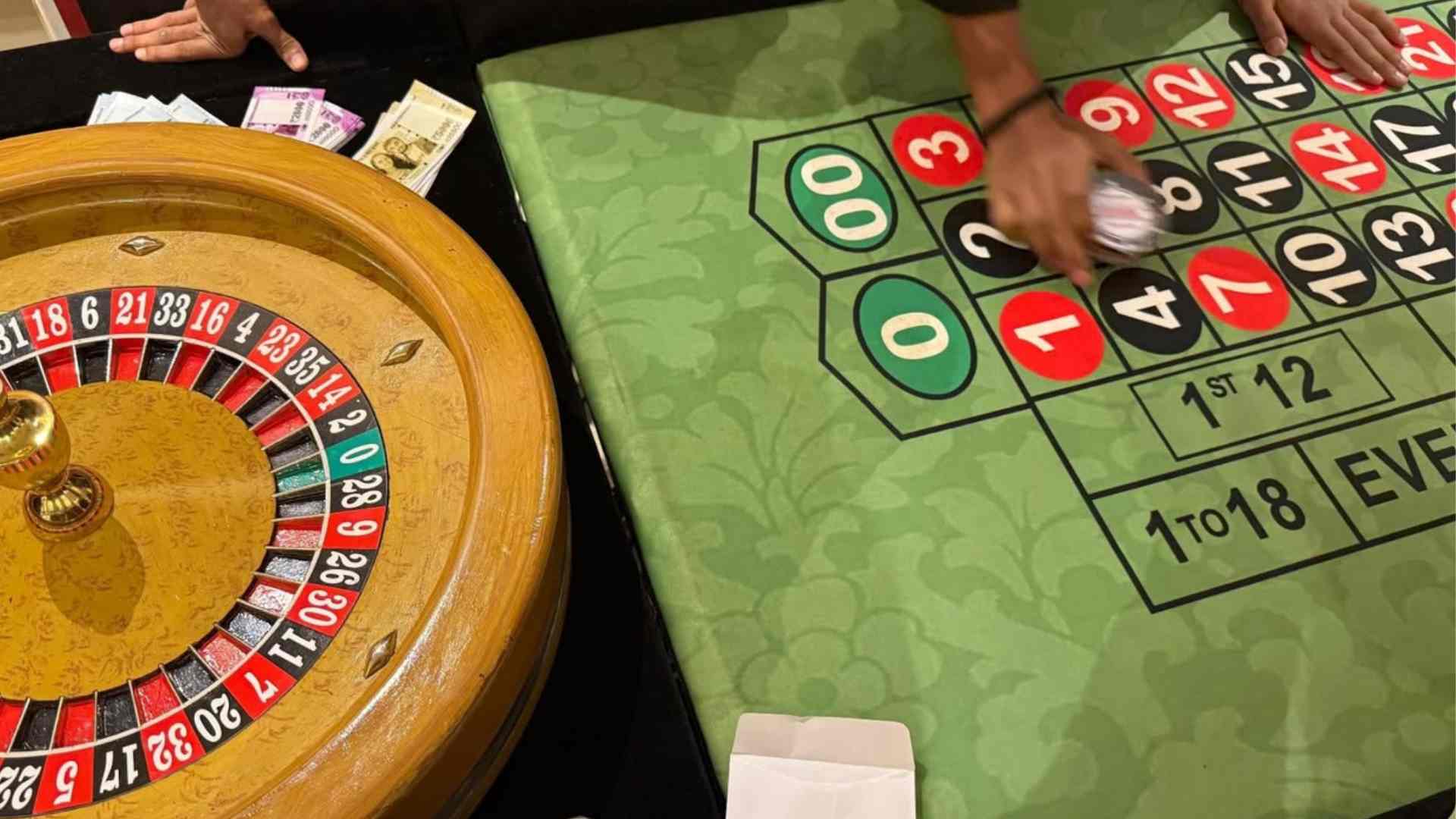
Dice-based board games have captivated players for centuries by blending chance with strategic choices. Understanding why individuals willingly embrace uncertain outcomes reveals fascinating insights into human decision-making under pressure. This article explores how cognitive biases, emotional thrill, and probability evaluation shape player decisions around the gaming table.
The Illusion of Control in Random Events
Players often believe they can influence purely random outcomes through specific rolling techniques or personal rituals. This cognitive bias creates a psychological comfort zone where chance feels manageable rather than chaotic. Recognizing this phenomenon helps explain why gamers continuously test their luck despite unfavorable odds.
Moreover, the physical act of throwing dice provides a tactile connection to the game state. Players often feel more accountable for outcomes when they cast the dice themselves. This sensation of personal agency drives deeper engagement and bolder decision-making during high-stakes turns.
Probability Assessment and Cognitive Biases
Human brains naturally struggle with computing statistical odds during fast-paced gameplay. Gamers frequently fall prey to the gambler's fallacy, assuming a series of poor rolls increases the likelihood of a favorable result next. This flaw in perception directly encourages riskier plays in subsequent rounds.
Strategic players continuously balance expected utility against emotional desires to secure a decisive victory. Gamers looking to sharpen their strategic instincts online often study behavioral patterns on platforms like man888 to understand how risk management translates across different gaming environments. Learning to recognize cognitive traps ultimately leads to more consistent tabletop performance.
The Neurochemistry of the Thrill
The anticipation preceding a critical die roll triggers a burst of dopamine in the brain. This neurochemical release occurs regardless of whether the eventual roll results in a triumph or a devastating failure. The emotional high associated with near-misses often motivates players to repeat high-risk actions.
Additionally, push-your-luck mechanics capitalize on this biological drive by creating escalating tension. As potential rewards increase, the fear of losing accumulated gains competes directly with the excitement of an even larger payoff. Managing this internal conflict forms the core emotional arc of modern dice gaming.
Social Dynamics and Group Pressure
Decision-making in dice games rarely happens in isolation from other table participants. The presence of competitive opponents frequently pushes conservative players toward aggressive strategies they might otherwise avoid. Peer encouragement or teasing can alter an individual's baseline tolerance for uncertainty.
Ultimately, analyzing the psychological forces at play enhances both game design and player enjoyment. By understanding risk perception, gamers can make smarter choices while fully appreciating the suspense that makes dice games timeless classics.