For decades, traditional number draws have held a special place in global entertainment, offering scheduled anticipation and community involvement. However, the rise of modern digital platforms has introduced instant number games, altering how players engage with numeric entertainment. Understanding the distinct differences between these two formats helps enthusiasts make informed choices suited to their personal preferences and play styles.
The Operational Mechanics of Scheduled Versus Instant Draws
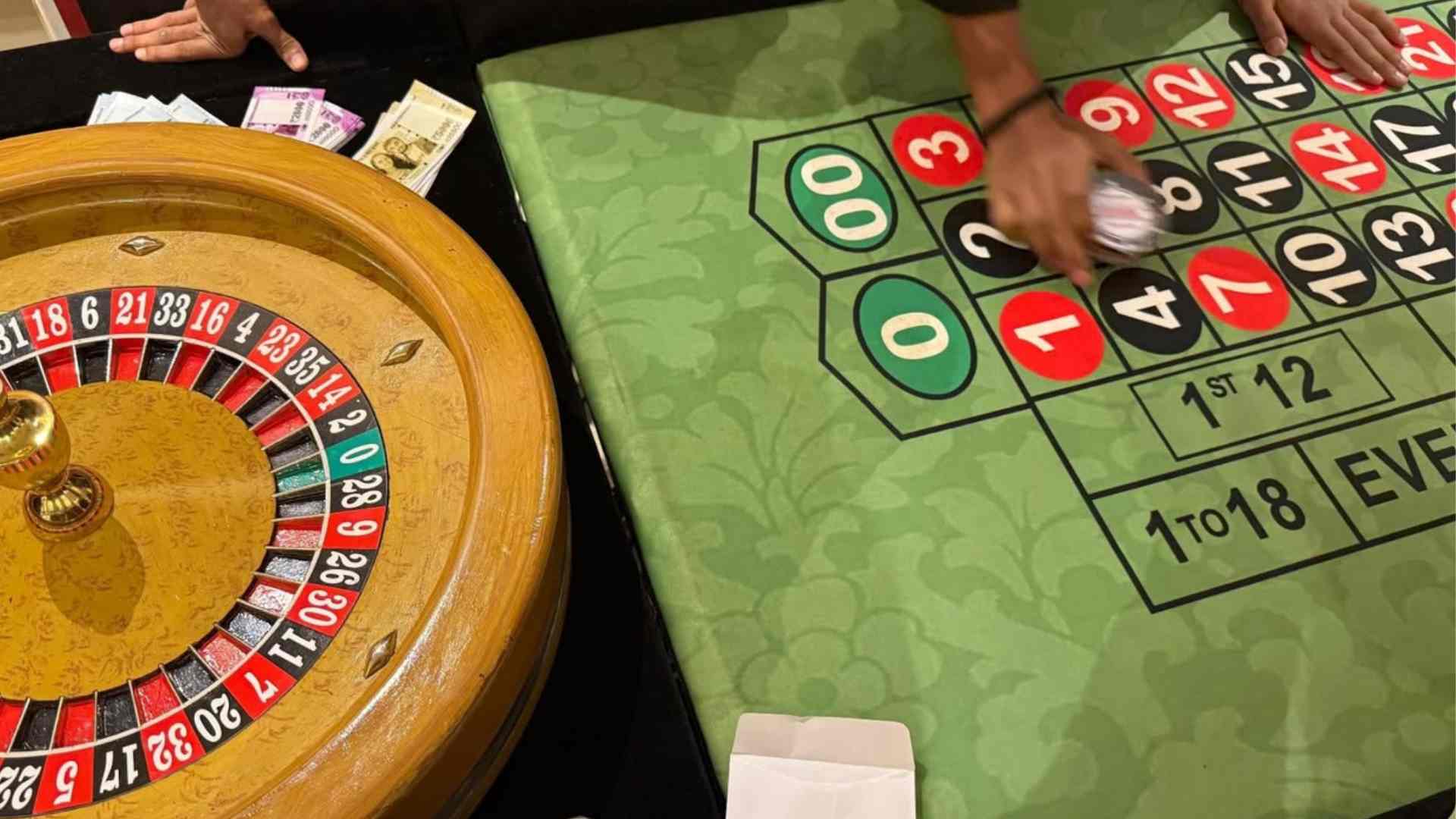
Traditional number draws rely on physical mechanisms such as mechanical ball machines or televised live broadcasts to generate winning sequences. These events occur at fixed intervals, requiring participants to wait hours or days to discover the results of their selections.
In contrast, instant digital games utilize certified random number generators to produce immediate outcomes upon selection. This cryptographic approach allows users to experience immediate feedback without waiting for external drawing schedules. Both systems aim for fairness, but their underlying delivery mechanisms create entirely different pacing.
Pacing and Player Experience Dynamics
The extended timeline of traditional draws creates a unique sense of anticipation that unfolds over time. Many participants enjoy the ritual of checking numbers during a scheduled broadcast or reading daily print updates.
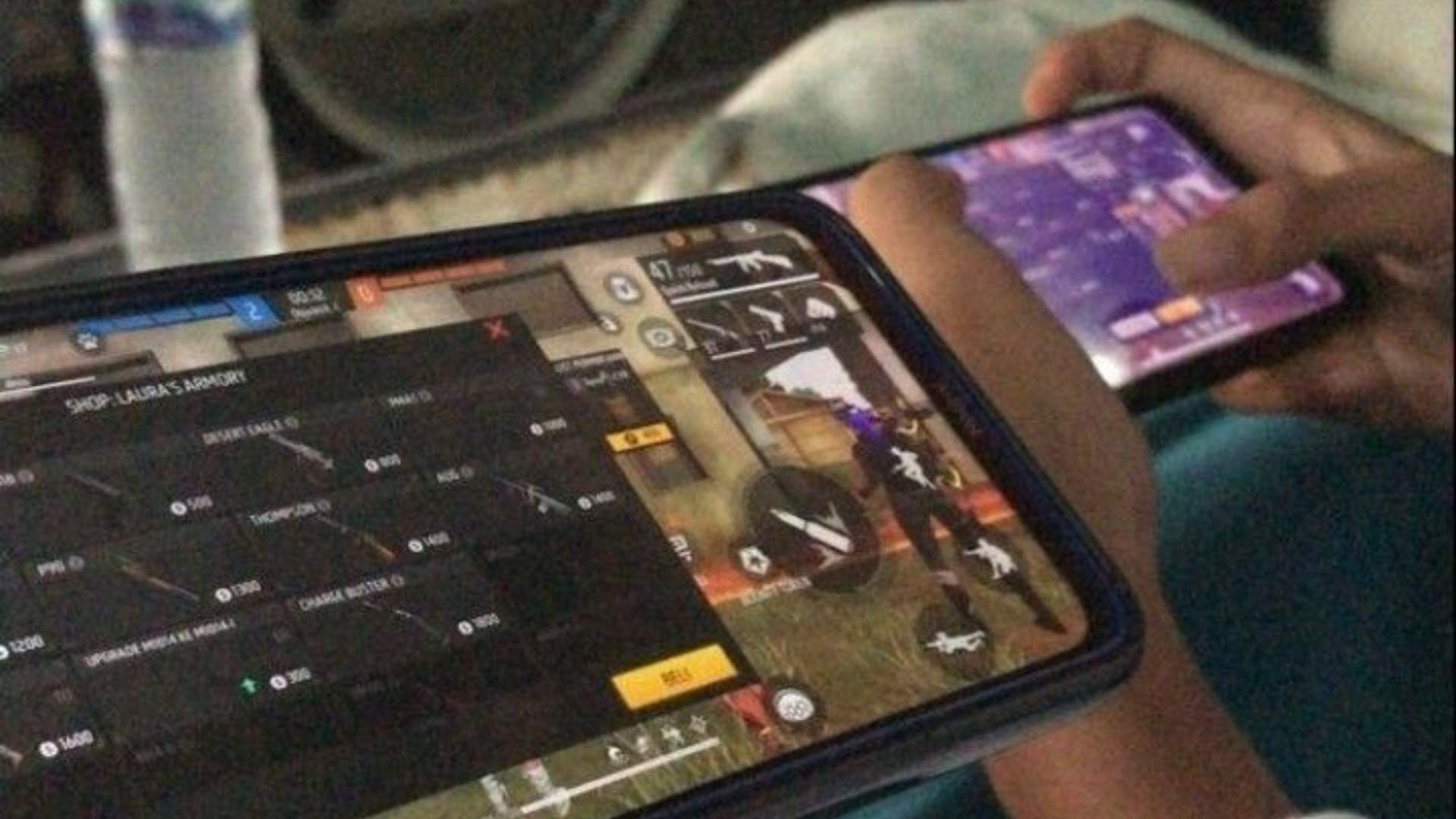
Instant digital formats prioritize convenience and rapid engagement, making them popular among modern mobile users. The ability to complete a session within minutes fits seamlessly into short breaks throughout a busy day. Consequently, players often choose between the suspense of traditional formats and the immediate satisfaction of digital alternatives.
Transparency and Verification Standards
Auditing traditional drawings involves physical security protocols, independent observers, and public broadcasts to ensure integrity. The tangible nature of mechanical draws provides visual reassurance to participants who value seeing real objects in motion.
Digital platforms establish trust through mathematical verification, such as provably fair cryptographic algorithms and third-party software audits. Independent testing laboratories inspect the source code to verify that outcome distribution remains completely unbiased. Understanding these certification methods allows users to select reliable platforms across both categories.
Strategic Budgeting Across Different Formats
Because traditional draws occur less frequently, managing session expenditure is relatively straightforward for most participants. The natural pause between scheduled draws creates built-in cooling-off periods that limit continuous play.
Instant digital games require greater personal discipline due to their fast execution and continuous availability. Setting clear time limits and financial boundaries ensures that digital play remains an enjoyable form of casual entertainment. Regardless of the chosen format, responsible participation relies on informed planning and self-awareness.