While many form of entertainment focus on rapid actions and instantaneous results, traditional tabletop experiences often require a completely different mindset. Table games that reward patience and precision stand out as uniquely fulfilling because they test a participant's mental fortitude and tactical awareness. Mastering these slow-paced environments allows individuals to appreciate the deep psychological elements behind every deliberate choice.
The Strategic Art of Traditional Card Games
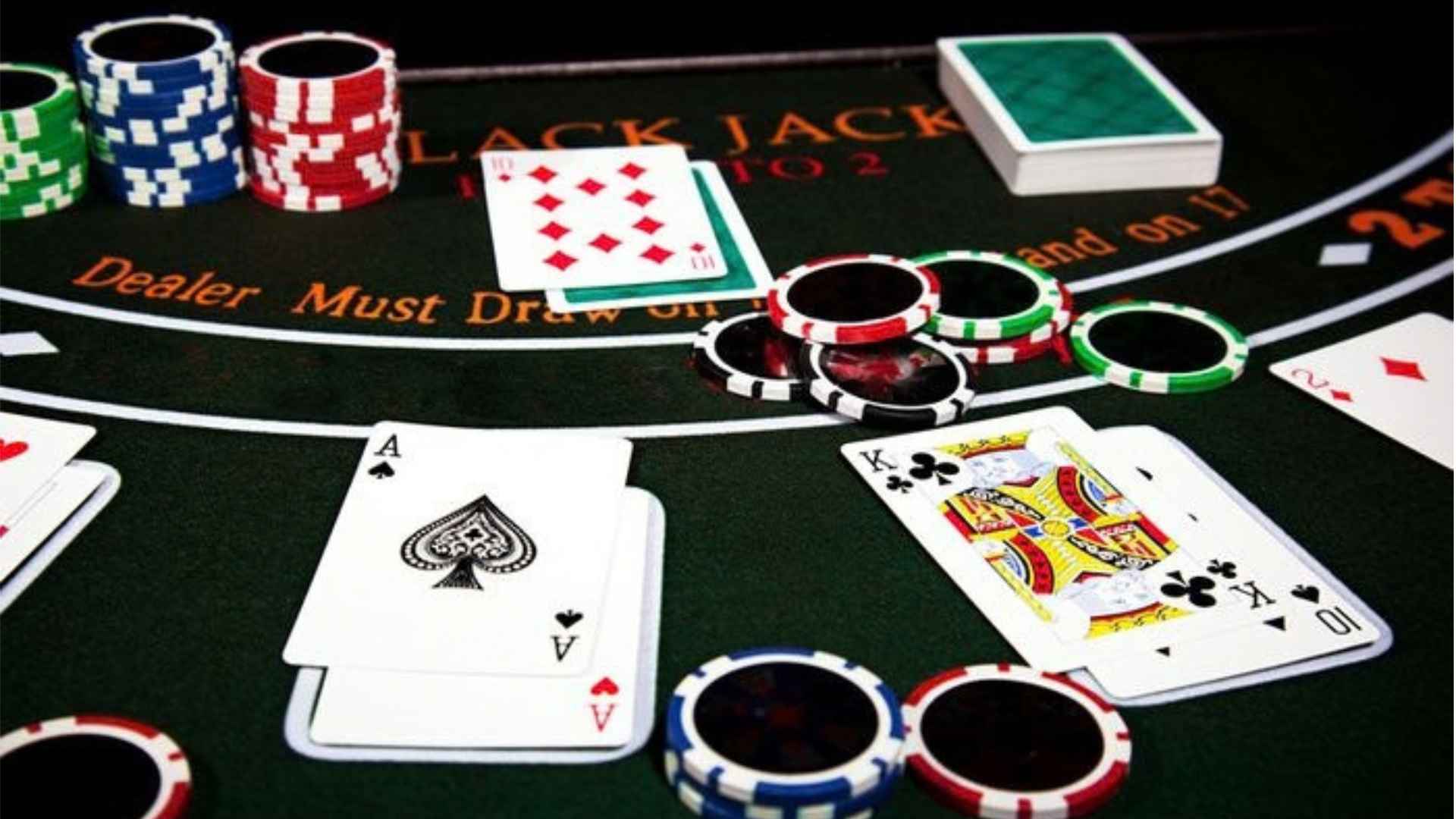
Classic card formats provide an exceptional arena for cultivating disciplined decision-making under constant pressure. Unlike chaotic alternative options, these engagements demand that individuals carefully observe shifting patterns and calculate meticulous probabilities before making any significant commitment. Success is rarely determined by sudden movements, but rather by waiting for the most advantageous moments to capitalize on opponent vulnerabilities.
For those looking to explore different digital avenues of gaming, accessing a trusted M88 slot or card variant can offer insight into structured mechanics. Engaging with these online interfaces helps players understand how mathematical precision influences long-term outcomes across various interactive platforms. By maintaining emotional equilibrium, participants learn to turn slow anticipation into a powerful competitive tool.
Developing Long Term Foresight Through Chess
Chess remains the definitive global standard for analytical gameplay that rejects random chance and immediate gratification. Every individual match requires a profound level of patience, as players must visualize multiple sequences ahead while predicting an opponent's subtle countermeasures. A single impulsive move can dismantle an entire defensive structure, proving that calculated restraint is far more valuable than aggressive speed.
Furthermore, this classic board setup teaches enthusiasts how to appreciate the value of minor position adjustments over instant victories. Winning consistently requires a player to build micro-advantages gradually across the surface until a definitive path to success opens naturally. It functions as a perfect cognitive exercise for modern individuals seeking to refine their everyday planning and critical reasoning skills.
Embracing the Rhythmic Focus of Tile Placement
Tactile tile games like Mahjong and Dominoes present a fascinating mix of hidden information, spatial planning, and structural precision. Players must systematically arrange complex patterns while monitoring which pieces have been discarded or withheld by other individuals at the table. This environment naturally penalizes reckless behavior, demanding a calm approach to resource allocation and timing.
The subtle beauty of these classic pastimes lies in how they transform a shared surface into a dynamic mental puzzle. Participants who rush their hands frequently expose their own strategic intentions early, losing crucial leverage over the pacing of the round. True mastery comes from observing quietly, adjusting to sudden layout updates, and executing defensive maneuvers with absolute accuracy.