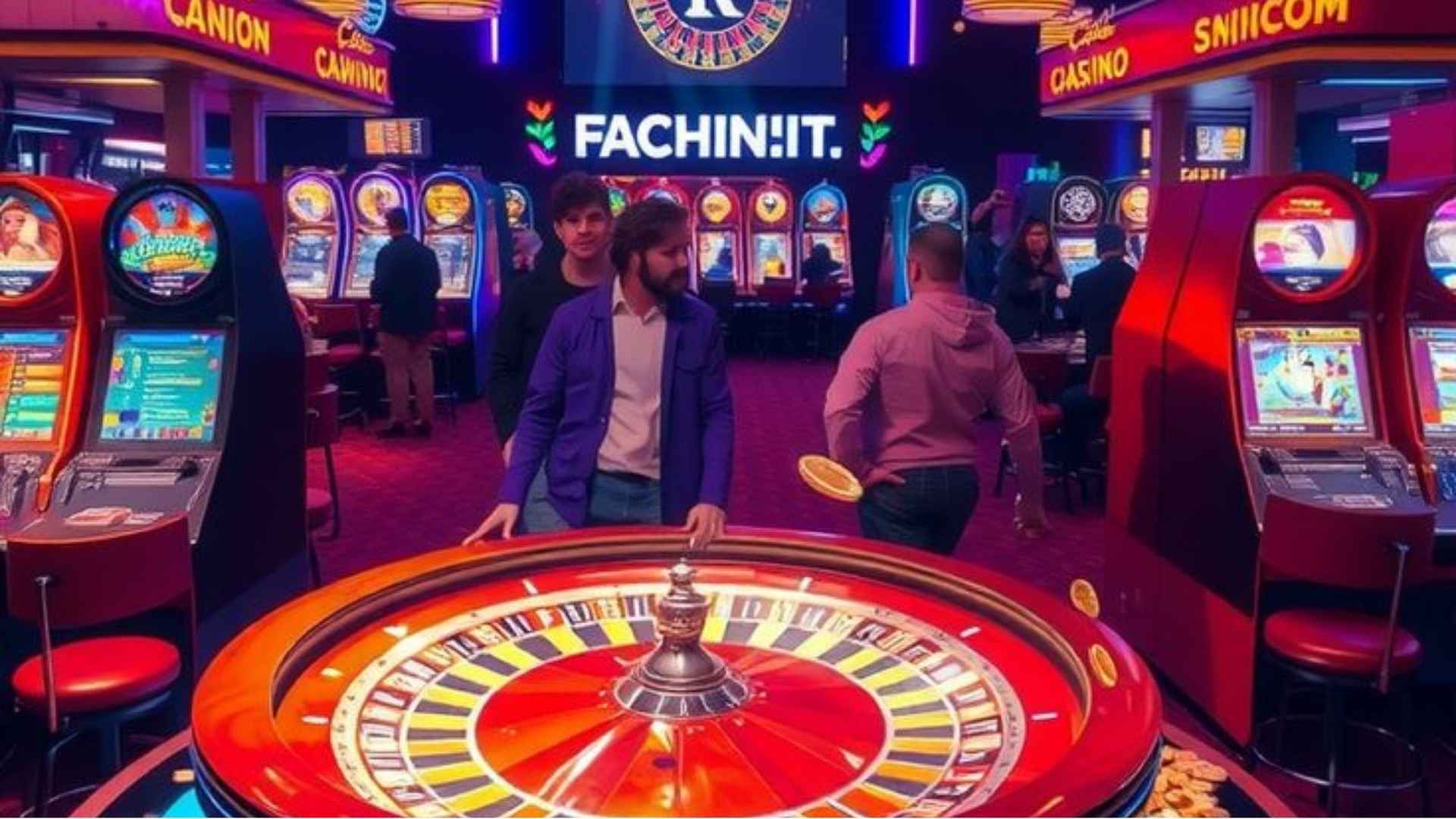
Modern interactive environments are increasingly shifting away from linear progression systems to offer users a deeper sense of autonomy. At the core of this modern design philosophy is the intersection of random rewards and interactive discovery. By blending unexpected positive outcomes with self-directed exploration, developers can cultivate deeper levels of immersion that resonate with diverse audiences over long periods.
The Psychology of Unpredictable Exploration
Human curiosity is naturally amplified when the path forward promises elements of surprise rather than fixed milestones. When a system introduces unpredictable outcomes within an open environment, it triggers a strong sense of anticipation that keeps individuals motivated to investigate further. This dynamic creates a powerful feedback loop where the act of exploration becomes satisfying in its own right.
Psychological frameworks indicate that variable distribution models are highly effective at maintaining long-term curiosity. When participants are unsure of exactly what they will uncover, their willingness to test boundaries increases significantly. This organic form of engagement helps digital landscapes feel much more alive and less formulaic over time.
Balancing Surprise with Meaningful Choice
Creating a sustainable discovery system requires developers to strike a careful balance between luck and deliberate player choice. If random outcomes feel entirely disconnected from a user's choices, the experience can quickly become alienating or frustrating. Therefore, designers must ensure that the environment offers clear contextual clues that reward observant behavior.
When structured effectively, surprise mechanics act as a catalyst for creative problem-solving rather than just passive consumption. For instance, players looking to optimize their interactive strategies often engage with specialized digital ecosystems like the M88 slot platform to experience variable feedback loops firsthand. Integrating these variable schedules thoughtfully ensures that the thrill of discovery complements the core progression framework.
Fostering Autonomy Through Environmental Design
Modern digital spaces maximize engagement by allowing participants to discover hidden secrets at their own preferred pace. Rather than relying on restrictive tutorial prompts, contemporary environments encourage organic interaction by embedding rewards directly into the landscape. This subtle shift transforms standard progression into a memorable journey of personal triumph.
When a participant uncovers a rare item through active experimentation, their sense of ownership over that achievement increases dramatically. This customized approach to design ensures that no two sessions feel identical, thereby enhancing overall longevity. By prioritizing structural freedom, modern digital creators can construct highly immersive ecosystems that stand the test of time.
The Future of Dynamic Systems
As interactive technology continues to evolve, algorithmic frameworks are becoming increasingly adept at adapting to individual habits. Future design landscapes will likely feature systems that dynamically adjust reward distributions based on how a user explores. This progression ensures that environmental surprises remain fresh, relevant, and engaging for both casual and dedicated participants.
Ultimately, the fusion of chance-based incentives and active discovery reshapes how people connect with digital platforms. By treating unpredictability as an asset rather than a distraction, developers can build truly compelling experiences. The continuous evolution of these design principles promises a highly sophisticated future for digital entertainment architectures.