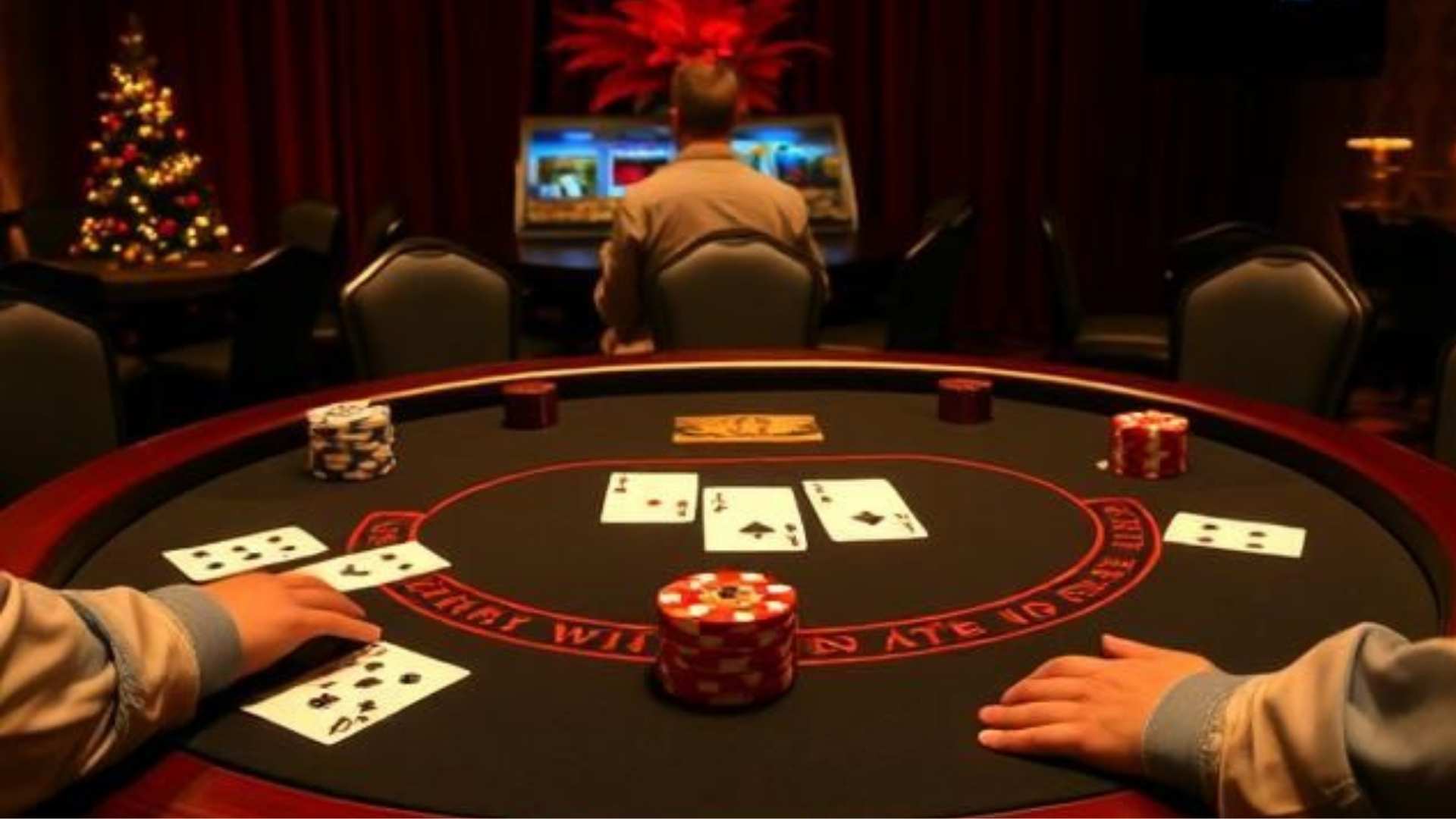
Human minds naturally seek patterns, even in environments governed purely by mathematical randomness. When individuals participate in games involving spinning wheels or digital rollers, they frequently develop personal rituals and superstitious beliefs to feel in control of the outcome. Over time, these small habits transform into deeply ingrained routines that shape how players interact with chance-based activities.
The Brain Search for Patterns in Randomness
Cognitive psychology shows that human brains are wired to connect cause and effect, even where no real connection exists. When a player performs a specific action right before a favorable spin, the brain registers that sequence as a potential formula for success. This psychological mechanism, known as confirmation bias, causes people to remember times their ritual worked while forgetting the many times it failed.
As players continue to observe random sequences, they start seeing non-existent trends like hot streaks or overdue numbers. This illusion of control provides comfort during uncertain situations, making the overall experience feel less predictable and more structured.
How Personal Rituals are Formed
Superstitions often start with harmless actions, such as tapping a screen a certain number of times or waiting for a specific visual cue before starting a spin. If a positive outcome follows, the player is likely to repeat that exact action during their next attempt. Over repeated sessions, these behaviors become routine steps that players believe directly influence their luck.
Many modern gaming interfaces, including those accessed via m88.com mobile platforms, offer smooth and responsive controls that make interaction effortless for users. This immediate visual feedback allows players to seamlessly execute their personal timing rituals during digital wheel spins.
The Role of Emotional Connection
Near-misses play an influential role in reinforcing superstitious behavior among enthusiasts. When a spinning wheel barely misses a desirable segment, players often feel that their specific approach almost succeeded. Instead of recognizing the result as pure probability, they adjust their timing slightly and try again with heightened emotional involvement.
This emotional roller coaster keeps participants engaged and creates strong psychological associations with specific physical or mental habits. The feeling that luck is almost within reach makes personal rituals feel necessary for achieving a winning outcome.
Finding Balance Between Belief and Reality
While developing personal rituals adds excitement and routine to casual gaming, understanding the reality of random number generators remains essential. Random spins operate independently of previous results, meaning no amount of tapping, waiting, or superstitious thinking can alter the physical or digital probability.
Recognizing these psychological drivers enables players to enjoy their favorite spinning games responsibly. Embracing small superstitions as lighthearted entertainment rather than proven strategies allows for a fun and balanced experience.